In the winter, it’s dark when your alarm goes off. It’s dark and cold and getting out of bed is even harder than usual.
But like most people, you get up anyway. You start your day groggy and plow through until you fall into bed exhausted.
If you find yourself dreaming of a time when you wake up refreshed, have energy all day long, and go to sleep easily, you’re not alone. More and more people struggle with exhaustion.
In many cases the culprit is sleep deprivation.
As a nation we are getting less and less sleep. The average person gets 500 fewer hours of sleep each year than 100 years ago.
And the decrease in sleep takes its toll. Short term effects of sleep deprivation include irritability, memory loss, drowsiness, trouble concentrating, blurry vision, and impaired judgment. Heart disease, high blood pressure, depression, obesity and type 2 diabetes can result from long term sleep deprivation.
Clearly, you need sleep to be healthy.
For most people, not sleeping enough can be attributed to two key problems. Some people don’t allow enough time for sleep. Others want to sleep but can’t.
Schedule Time to Sleep
The most obvious way to get more sleep is simple but not easy.
Sleep more.
In today’s busy world where parents work all day, attend school events all night, balance personal time with couple time, run the household and give to the community, it’s easy to run out of hours in the day.
And besides the demands of work, family and community, even advocates for your personal growth demand your time. Some personal development advisors will suggest that if you just get up one hour earlier every morning, you’ll have 365 extra hours every year to accomplish your goals.
But the lack of sleep catches up with you. Soon the lack of focus will defeat the extra hours you gain in the day. Time spent sick will reduce your productivity. You’ll be prone to accidents and forgetfulness.
A much healthier balance is to accept that you can’t do it all. Block out sleep time in your schedule before you plan other activities. If you are over age 18, allow at least 7 – 8 hours. Guard your sleep time to guarantee your body the rest it deserves.
How to Fall Asleep at Bedtime
Some people find it hard to fall asleep. If your life is highly stimulating, your body is active, your nervous system is cranked and your emotions are on edge all day long. It’s hard to turn off after you’ve gone 100mph.
If falling asleep is a relatively new problem, try some natural remedies. However, if your problem is chronic, talk with your doctor or acupuncturist. Once you’re sure that nothing serious is going on, try natural remedies to fall asleep.
- Essential Oils. Essential Oils are very calming. Buy some high quality oils and put a couple drops on a cloth by your pillow. Start with Lavender or Roman Chamomile.
- Homeopathy. Picking a homeopathic remedy can be tricky, so it’s easiest to start with a prepared blend. Ask your Health Food Store what sleep remedies they carry.
- Acupuncture. Visit your acupuncturist for a tune-up.
- Herbs. Many herbs calm the nerves and induce sleep. Herbs are usually taken as teas or tinctures. Start with Lavender, Chamomile or Valerian or ask for help choosing one at your Health Food Store.
- Reduce noise and light. Noise and light stimulation can make it harder to sleep. Cover your windows completely. If your bedroom is noisy, try using a white noise generator or play soothing music as you fall asleep.
- Create a sleep routine. Many experts say that you can train yourself to sleep by creating a bedtime ritual. Go to bed at the same time every night. No stimulants near bedtime including coffee, tea, chocolate, or stimulating activities. Take a warm bath to relax. And when you are in bed, practice a few minutes of deep breathing. Any routine done regularly will train your body to sleep.
Without enough sleep, you are susceptible to more than just discomfort and drowsiness; your health is at stake. The darkness of winter is a great time to start the habit of sleeping for health. With enough hours of restful sleep, when your alarm goes off you’ll be refreshed and ready for a new day.
Points Toward Health
Rubbing acupressure points with your finger for 30-60 seconds can stimulate these points and promote health and well-being.
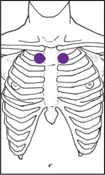 Kidney 27 (KD 27)
Location:
Located off the breastbone, in the hollow below the collarbone. There may be a slight indentation.
Function:
Strengthens the immune system, relieves allergies, alleviates drowsiness, chest congestion, breathing difficulties, asthma, coughing, hiccups, sore throats, anxiety, premenstrual tension, and depression. Also used to improve focus and performance.
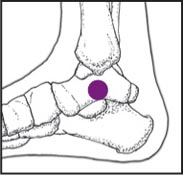 Kidney 6 (KD6)
Location:
In the small indentation approximately 1 inch directly below the inside ankle bone.
Function:
Used for painful, swollen and sore throat, tightness in the throat, painful and red eyes, sleep disturbances, dizziness, irregular and painful menstruation, post-partum difficulties, genital problems, chest fullness, leg tightness, heavy limbs, ankle and foot pain.
 Having breast cancer is hard. Your body wages a war against cancer cells and your emotions may slide into fear, grief, anxiety and depression.
 Many people feel down as winter approaches. It’s dark. It’s cold. The holidays can be stressful.
 It’s about almost month into the New Year. Do you already wish you had a do-over for your New Year’s Resolutions?
 Your mother was right–say thank you.
